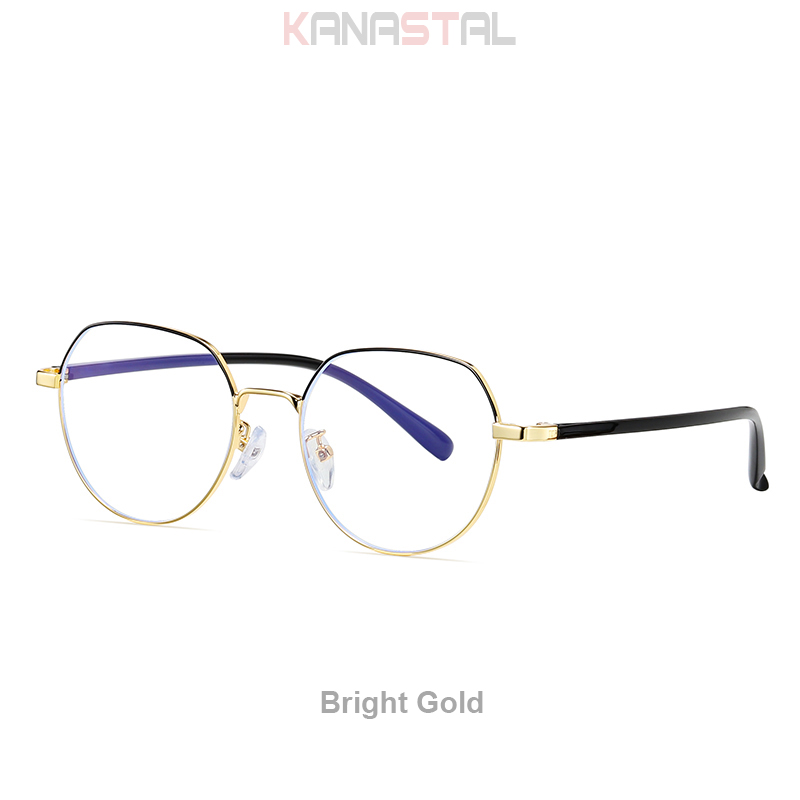
Have you ever found yourself staring at a screen for hours, only to end up with throbbing headaches, blurry vision, or eyes that feel like sandpaper? If so, you're not alone. I've been there, and for a long time, I thought it was just an unavoidable part of modern life. But I was wrong. My personal journey to understanding and overcoming digital eye strain has been a game-changer, and I'm excited to share my discoveries and solutions with you. It all started when I landed a new job that involved intense, prolonged screen time, especially with design software like Photoshop, where every pixel demanded my attention. That's when I seriously began looking into computer glasses.
When I started my new role, the initial excitement quickly gave way to a persistent, nagging discomfort. My days were filled with staring closely at screens, examining minute details, and pushing pixels around for hours on end. It wasn't long before I started experiencing significant eye strain. My eyes would feel incredibly tired and dry by midday, and by the evening, a tension headache would almost always set in. Sometimes, these headaches escalated into full-blown migraines, making it impossible to focus or even relax after work. I tried adjusting my monitor brightness, taking short breaks, and even splashing water on my face, but nothing seemed to truly help.
The problem wasn't just physical discomfort; it also affected my productivity and overall mood. I found myself squinting more, rubbing my eyes constantly, and feeling irritable. I realized that if I wanted to succeed in my new role and maintain my well-being, I needed to find a real solution. I began to wonder if specialized eyewear could be the answer. Could something as simple as a pair of computer glasses really make a difference?
My quest for relief led me down several paths, and what I discovered wasn't just about one magical fix, but a combination of strategies. The biggest revelation for me was the power of dedicated computer glasses, but other ergonomic and lifestyle changes were equally important.
Before diving into buying glasses, I learned that the most important first step is to get a comprehensive eye exam. It sounds obvious, but I hadn't had one in years! I discovered that even the slightest uncorrected vision issue, like a mild astigmatism or a subtle need for reading correction (especially if you're over 25, like me), can be significantly amplified when staring at a screen for hours. My optometrist confirmed that a small prescription, tailored for my working distance, would be incredibly helpful.
Once I knew my prescription, I started researching computer glasses. This is where I learned that "not all computer glasses are created equal." I initially thought any blue light blocking glasses would do, but I quickly learned about different lens materials and their impact.
I found out that while polycarbonate lenses are common, they can sometimes cause something called chromatic aberrations, which essentially means colors can appear slightly fringed or distorted, adding to eye strain. Instead, I learned that materials like CR-39, Trivex, or higher index glass (1.67 and up) are generally better choices for clarity. CR-39 optic lenses stood out to me as a fantastic balance of quality and value, offering excellent optical clarity without the common drawbacks of polycarbonate.
Almost overnight after getting my first pair of dedicated computer glasses, the strain and tension headaches I had been experiencing significantly reduced. It was an incredible difference. My eyes felt less tired at the end of the day, and those awful tension headaches became a rare occurrence instead of a daily struggle.
I stumbled upon a pair that really made a difference: the Mozaer Men Retro Reading Glasses. What caught my eye were the CR39 Optic Lenses and the blue light blocking feature. These glasses offered the perfect combination for my needs: high-quality lenses that minimize distortion, and effective blue light filtration to reduce digital eye fatigue. The fact that they could be fitted with my prescription (whether for presbyopia or myopia) was a huge bonus, meaning I didn't have to compromise on clear vision while protecting my eyes. For anyone looking for quality eyewear solutions, I highly recommend you read more about what Mozaer offers.
When selecting my glasses, I also made sure to add glare reduction as an option. This extra coating helps to cut down on reflections from my screen and overhead lights, further enhancing visual comfort. It’s a small detail that makes a big difference, especially in brightly lit offices or rooms with multiple light sources. The quality of the lenses, like the CR39 in my Mozaer glasses, combined with these coatings, truly elevates the experience.
While glasses were a huge step, I also adopted the 20/20/20 rule, and it has become a non-negotiable part of my workday. It's simple: every 20 minutes, look at something 20 feet away for at least 20 seconds. This simple exercise allows your eyes to relax and refocus, preventing them from getting locked into close-up work for too long. I set a timer on my phone, and when it goes off, I make sure to look out the window or across the room. It’s amazing how much this small habit contributes to overall eye comfort.
I quickly realized that my eyes weren't the only part of my body protesting my new work habits. To truly combat strain, I needed to look at my entire workstation. I invested in: