Hey everyone! I wanted to share my personal experience with reading glasses. Like many of you, I started noticing my vision changing as I got older. It can be frustrating, but I've learned a lot along the way and I'm here to share some tips and tricks that have helped me. It’s all about understanding what’s happening and finding the right solutions to keep your eyes happy and healthy.
It all started around age 45. I noticed that I was having trouble reading smaller text. I'd find myself squinting or holding books further away. It was subtle at first, but it gradually became more noticeable. I knew it was time to consider reading glasses. This is a common experience, as our eyes naturally change as we age. Presbyopia, the gradual loss of your eyes' ability to focus on nearby objects, affects many of us. It's a normal part of aging, so don't feel bad if you're experiencing it too!
I remember the first time I really noticed it. I was trying to read the ingredients on a food label, and I just couldn't make out the tiny print. It was frustrating! I knew I needed to do something about it. I wasn’t quite sure where to start but I knew I needed help.
My first step was to try some over-the-counter reading glasses. I learned that if both your eyes are similar, you can easily find affordable readers. I started with a low strength, around 1.0x. It helped a little, but it wasn't quite enough. Over time, I needed to increase the strength. I'm now using 3.0x, and I suspect I'll need to go up again within the next year. It’s a gradual process.
I've found that the strength you need can also depend on the situation. For example, I might need a stronger pair for reading a book than for watching TV. I also notice that my eyes get more tired at the end of the day, so I might need a stronger pair of glasses then. I’ve learned to keep a few pairs of different strengths around the house.
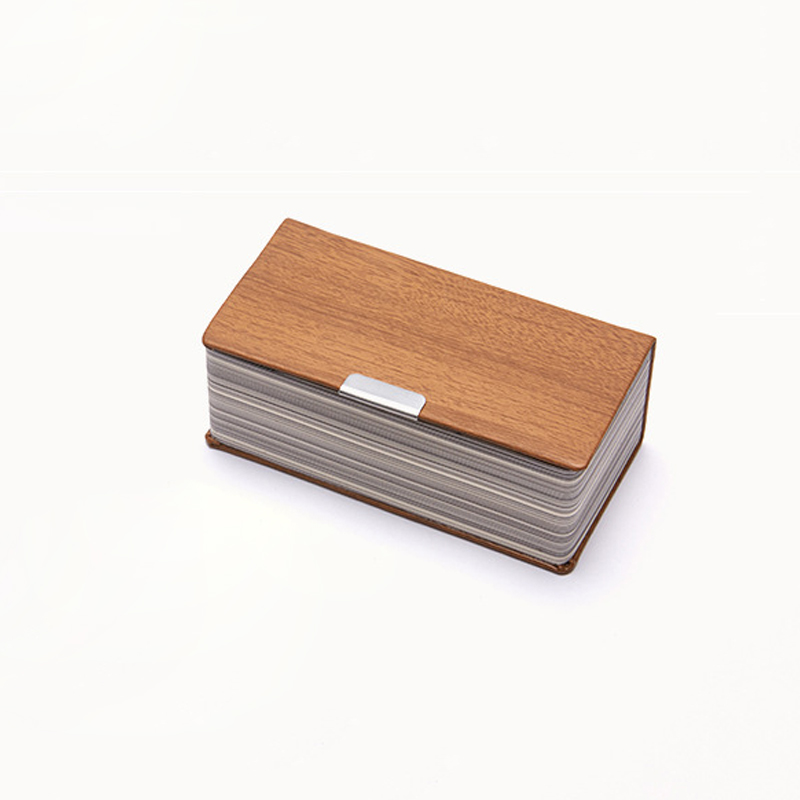
One thing I’ve found incredibly useful is having a pair of foldable reading glasses. I recently came across the Elbru New Anti Blue Light Foldable Reading Glasses. They're so convenient to carry around and have been a lifesaver when I need to read something on the go. The anti-blue light feature is also a nice bonus, especially when I'm working on my computer for long periods of time. I appreciate how portable they are; they easily fit in my purse or even my pocket! I love the vintage design too – they're not only functional but also stylish.
I'm an artist, and my vision is incredibly important to me. As my vision changes, I've had to adapt my techniques and find new ways to keep creating. One thing I've noticed is that I need more light to see details clearly. I've invested in some good quality lamps and magnifying glasses to help me with my work. I’ve also started using larger canvases and brushes, which makes it easier to see what I’m doing. It's all about finding what works best for you.
Another thing I've learned is the importance of taking breaks. Staring at something for too long can strain your eyes and make it harder to focus. I try to take a break every 20 minutes to look away from my work and focus on something in the distance. This helps to relax my eyes and prevent fatigue.
Years ago, in my 30s, I had LASIK surgery. It was great for a while, and I didn't need glasses at all. However, in my late 40s, I started needing reading glasses again. I started with a 1.5 strength to watch TV while doing handcrafts. My eyes took too long to refocus when looking up and down. Now, in my early 50s, I'm up to 1.75. While LASIK was helpful for a time, it's important to remember that it doesn't prevent age-related vision changes.
Here are some practical tips that I've learned along the way: