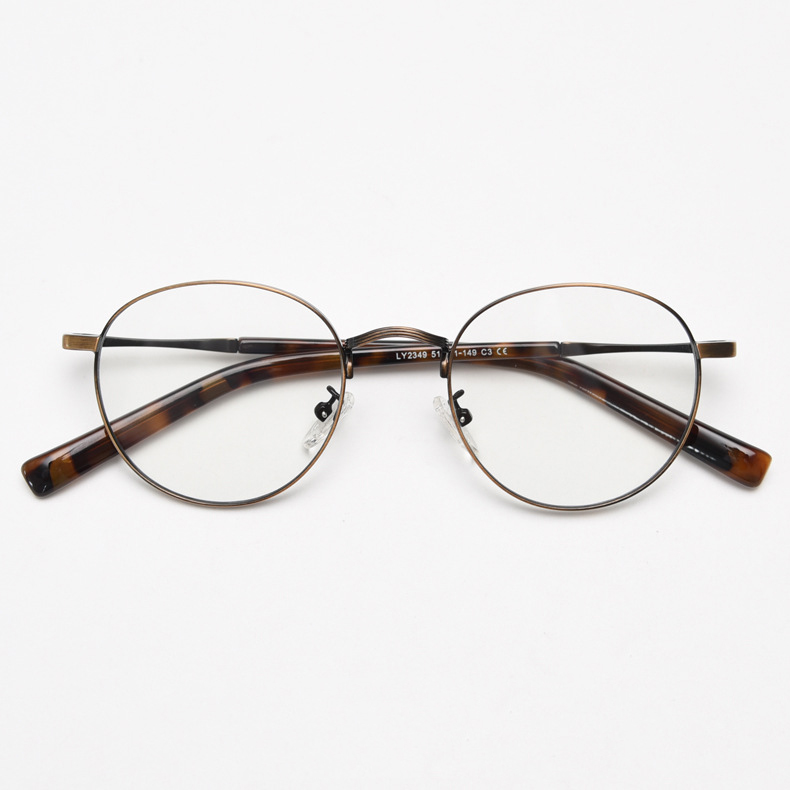
I once believed these common misconceptions about reading glasses for men. Let me share the facts so you can avoid wasting money on cheap, poorly made pairs. Choosing the right readers can be surprisingly complex. Here’s what you really need to know.
It's a common belief that one pair of reading glasses is just as good as another. Many assume a budget-friendly option from the pharmacy performs identically to a more expensive set. The reality is quite different.
As one frustrated customer noted, "I placed an order over a month ago on February 3rd and I'm still waiting for part of it. The company's response and escalation process has been terrible. Communication is awful." This highlights how the purchasing experience itself can be problematic with certain brands.
In truth, quality varies significantly. Superior materials and craftsmanship make a noticeable impact. High-quality readers feature more robust hinges, clearer lenses, and more comfortable frames. A satisfied buyer simply stated these are "great, will order again."
Verdict: Quality is crucial. Investing in well-made glasses pays off with better vision and longevity.
Some shoppers view the price tag as irrelevant, convinced the least expensive readers work just as well as costlier models. This assumption can lead to disappointment.
Extremely cheap glasses often utilize low-grade plastic for their lenses. These lenses are prone to scratches and can distort your sight. Their frames are frequently weak and may break soon after purchase, which is both irritating and a poor use of funds.
While a high price doesn't automatically guarantee superiority, a moderately higher cost often reflects better materials and build quality. Seek out features like spring hinges, scratch-resistant coatings, and frames that are both lightweight and durable.
Verdict: Spending a little more often secures better quality and a longer-lasting product.
Many dismiss the potential risks of blue light from digital screens, considering it merely a sales tactic.
However, prolonged exposure to computers and phones can cause significant eye strain. Blue light may contribute to visual fatigue and interfere with healthy sleep cycles, a genuine issue for countless individuals today.
It's worth considering readers with blue light filtering lenses. While not a magical solution, they can help lessen eye strain and potentially improve sleep quality for those who spend substantial time in front of screens.